The difference between arteries and veins
What is the difference between veins and arteries?
To better understand the difference between arteries and veins, let’s walk through the circulatory system together. Arteries and veins both carry blood, but serve different functions in the body.
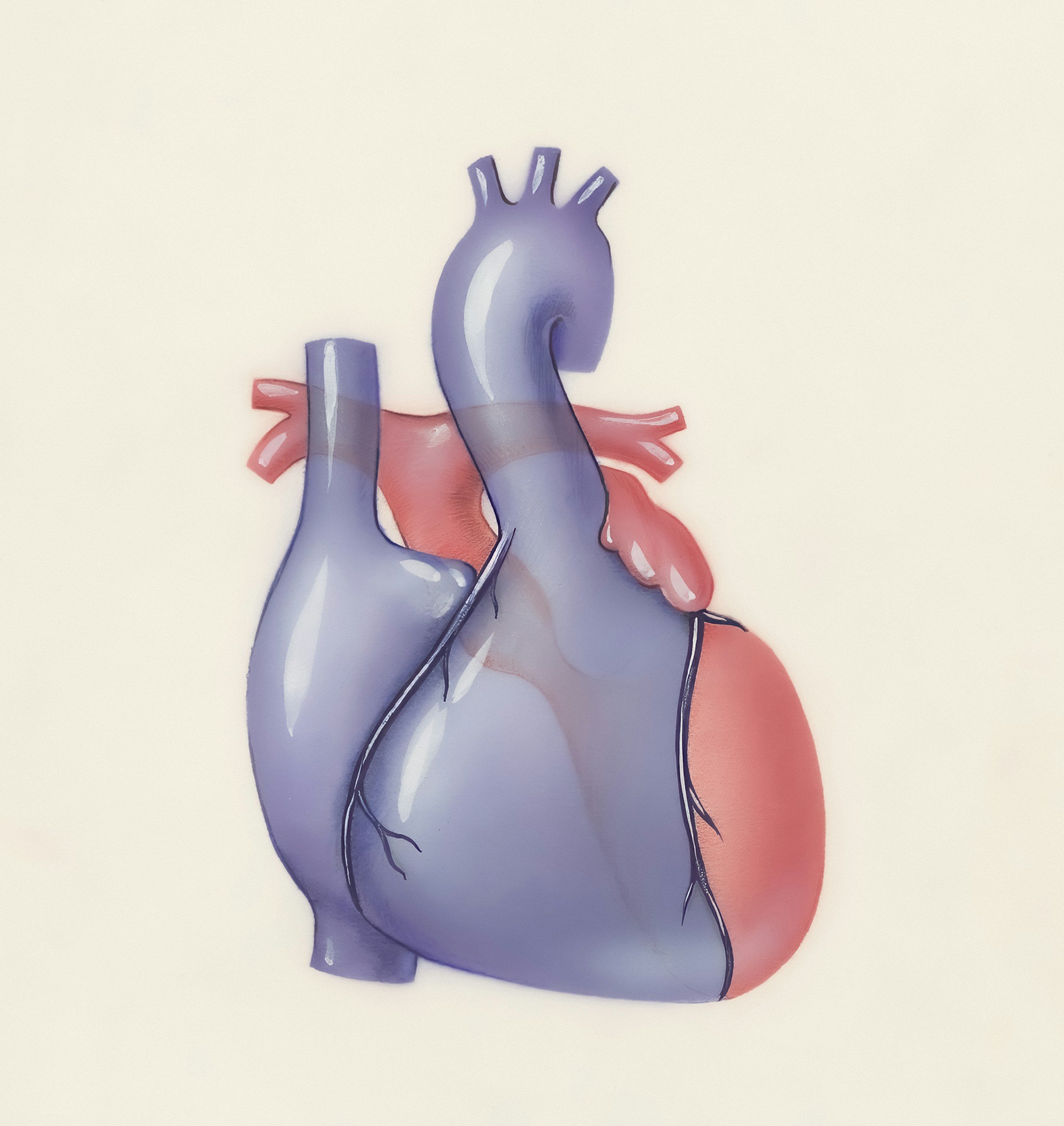
Arteries: Deliver Oxygen to the Body
Blood supplies oxygen to your body tissues and organs.
Arteries are very rich in oxygen, which is carried by your red blood cells. They originate from the left side of your heart. As we breathe, the left atrium of the heart receives blood directly from the lungs, so the red blood cells pick up the oxygen. The oxygenated blood flows from the left atrium to the left ventricle of the heart. The left ventricle pumps the blood out of the heart to the appropriate body tissues and organs for survival.
The body has a very efficient way to “shunt” arterial blood flow to the organ where it is most needed. For example, the intestine requires additional blood oxygen to digest food after a meal. The body will push arterial flow to the GI tract.
Veins: Return Blood to the Heart
After oxygen has been delivered to the body’s tissues, the oxygen will have been removed from the blood. Then the blood recirculates into the veins. Veins flow blood back to the right side of the heart, where it is ultimately pumped to the lungs to pick up more oxygen (re-oxygenation).
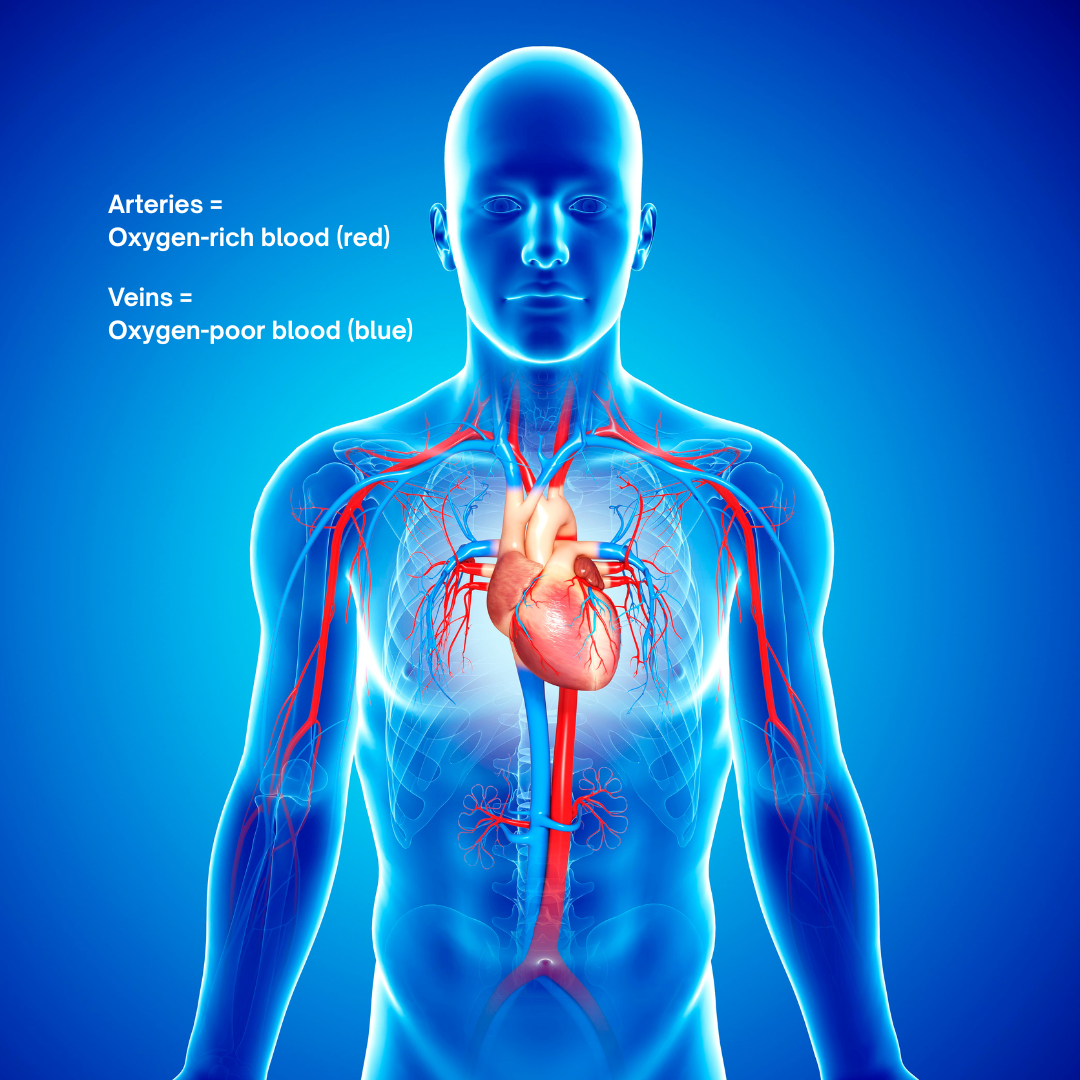
The Cycle
From there, the blood recycles again through the left atrium and left ventricle. And now that it has a high oxygen content, it can be delivered again where it is needed. After the oxygen from the arteries is extracted, the veins carry the blood back to the lungs to be re-oxygenated. This cycle repeats more than 100,000 times a day!
FAQ: What does exercise do to the circulatory system?
You can improve your circulatory system by exercising. When you exercise, skeletal muscle groups require increased oxygen to supply your metabolism. Exercise keeps the arteries in good condition and makes this cycle work more efficiently. Exercising can be as straightforward as walking, climbing stairs, or riding a bicycle!
If you have concerns related to your arteries or veins, contact us at Kansas Vascular Medicine to schedule an appointment. James Smith, DO specializes in minimally invasive cardiovascular care. Early diagnosis and treatment can prevent serious complications like limb loss, stroke, or heart attack.
James A.M. Smith, DO, is board certified by the American Board of Vascular Medicine and the American College of Osteopathic Internists. He practices cardiovascular medicine and intervention at Kansas Vascular Medicine.
